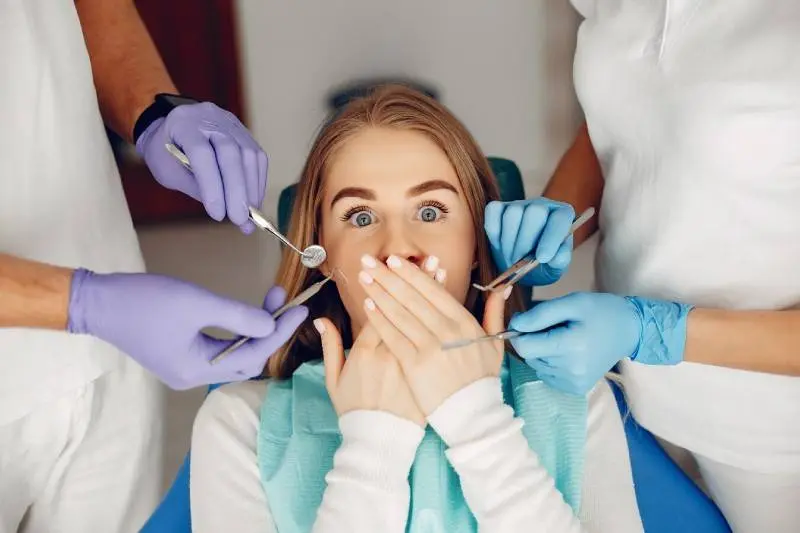
What Is Dental Fear (Dentophobia)?
Dental fear—also known as fear of the dentist or even fear of the dental chair—is a very common phobia.
This widespread anxiety disorder can often cause people to postpone or even ignore problems related to their oral and dental health. Dental fear can develop due to many different reasons such as traumatic experiences, genetic factors, and environmental influences. In addition to the anxiety felt, it may also bring along various physical symptoms.
This fear, medically known as dentophobia, is treatable; however, if it is not controlled, it can create conditions that allow many serious dental problems to progress. In fact, a large number of patients delay treatment for important dental diseases—especially tooth decay—due to dentophobia. In order to restore oral and dental health and improve quality of life, overcoming this fear through an appropriate treatment plan should be a priority.
Methods such as cognitive behavioral therapy are known to produce highly effective results. Although treatment may not be necessary for individuals with mild symptoms, a personalized treatment plan should definitely be created for patients diagnosed with severe dentophobia.
What Is Dentophobia?
Dentophobia, or fear of the dentist, can be described as an anxiety disorder caused by the thought of visiting a dentist or undergoing a dental examination. This common fear may arise due to underlying psychological factors, just like other anxiety disorders.
In some patients, this fear may only relate to specific dental procedures (such as fear of dental instruments like the dental drill used during fillings), while others may feel so afraid that they avoid even a simple dental check-up. This can ultimately result in neglecting all dental care.
Factors that may trigger dentophobia include:
Dental instruments and needles:
People with dental problems such as tooth decay may be sensitive to the instruments and injections used during examinations, which can increase their fear.
Anesthesia:
Although anesthesia usually prevents pain during treatment, some patients fear that it may not work. Others worry about potential side effects such as numbness in the mouth, difficulty speaking, or facial asymmetry.
Pain or bleeding:
Many dental procedures may cause slight discomfort. Even simple procedures like tartar cleaning can sometimes lead to minor bleeding. People who are very sensitive to pain or who have a fear of blood (hemophobia) may develop dental phobia because of this.
Noise:
Many tools used during dental treatment can be quite noisy, and some patients may develop anxiety due to these sounds.
Fear of choking:
Many people with dental phobia are actually afraid of choking or gagging during treatment. This fear often relates to concerns about not being able to breathe or swallow.
Smell:
Some patients may feel uncomfortable with the smell of dental clinics or the materials used during treatment, which can contribute to developing a phobia.
Who Is More Likely to Experience Dental Fear?
People who have the following conditions may be more likely to develop dentophobia:
-
Anxiety disorders or other mood disorders
-
Panic attacks
-
Substance use disorders
-
Having another type of phobia
Other fears associated with dental phobia include:
-
Fear of needles (trypanophobia)
-
Fear of doctors (iatrophobia)
-
Fear of being touched (haphephobia)
-
Fear of vomiting (emetophobia)
-
Fear of pain (algophobia)
What Causes Fear of the Dentist?
There may be certain triggering factors that lead to dental fear. These triggers can intensify anxiety attacks and cause individuals to feel even more frightened.
Simply sitting in the dental chair, seeing the instruments used during treatment, discussing treatment with the dentist, or even thinking about going to the dentist can trigger dentophobia.
Other possible causes include:
Traumatic experiences:
Negative dental experiences during childhood can significantly increase the risk of developing dentophobia. Forced dental procedures during childhood may also contribute to this fear.
Family history:
If family members have anxiety disorders or phobias, the likelihood of developing similar fears may increase.
Feelings of embarrassment or helplessness:
Dental treatments require close contact with the face, which may cause some patients to feel vulnerable or ashamed of the condition of their teeth or oral health.
Past negative experiences:
Previous unsuccessful treatments, worsening conditions, or negative interactions with dentists may contribute to the development of dental fear.
Stories from other patients:
Emotionally sensitive individuals may be influenced by others’ negative dental experiences, which can lead to increased fear.
Symptoms of Dentophobia
Symptoms of dentophobia may begin mildly and increase over time. The fear associated with visiting the dentist, sitting in the dental chair, or undergoing an examination can cause both emotional and physical symptoms.
Common symptoms include:
-
Anxiety and excessive worry
-
Head pressure, dizziness, or lightheadedness
-
Uncontrollable crying when thinking about visiting the dentist
-
Excessive sweating, trembling, or heart palpitations
-
Nausea or shortness of breath
-
Indigestion and other stomach problems
Sleep problems, starting the night before or even days before the appointment, are also common.
How Can Dental Fear Be Overcome?
The method used to treat dental fear depends on the severity of the condition. If dentophobia symptoms cannot be controlled independently, it is recommended to consult a psychologist or psychiatrist before dental treatment.
Under the guidance of a specialist, sedative medications or hypnosis techniques may also be used. Patients with milder symptoms may try the following approaches:
-
Breathing exercises and meditation
-
Relaxation techniques such as acupuncture or muscle relaxation exercises
-
Distraction methods (such as listening to music)
-
Gradual exposure to dental treatment
Exposure therapy combined with cognitive behavioral therapy (CBT) can also be very effective for some patients. Choosing a dentist who is aware of dentophobia can greatly help reduce anxiety throughout the process.
Is Sedation an Effective Method for Dentophobia?
Some patients with dentophobia may receive sedation during dental procedures. While this method helps make the treatment process more comfortable, it is not considered a permanent solution for dental phobia.
Sedation only helps patients relax during treatment and can be administered through oral medication, intravenous drugs, or nitrous oxide (laughing gas).
Complications of Untreated Dental Fear
Patients with severe dentophobia often ignore dental problems and delay visiting the dentist, which may lead to serious health issues.
As oral health deteriorates over time, patients may experience complications such as:
-
Tooth loss and gum disease
-
Tooth decay
-
Coronary artery disease
-
Diabetes-related complications
-
Respiratory infections or pneumonia
How Dental Fear Affects Psychological Health and Social Life
Dental fear is a condition that should be taken seriously, as it can negatively affect quality of life if left untreated. People with dental diseases may become ashamed of their dental condition and avoid social interactions.
Individuals who postpone or avoid dental treatment may also experience difficulties in their professional lives, education, and personal relationships. Problems such as tooth decay, bad breath, and infections may cause individuals to withdraw from social environments.
Dental fear may also lead to low self-esteem, sleep problems, and even aggressive behavior due to intense anxiety.
Why Is the Dentist’s Approach Important for Anxious Patients?
Good communication between the dentist and the patient is extremely important in overcoming dental fear. A dentist who understands this condition can empathize with the patient, show respect, and guide them through the process.
Dentists experienced in treating anxious patients can use calming techniques, redirect the patient’s attention, and help reduce anxiety. This allows patients to feel safer and more comfortable during treatment.
Additionally, a dental clinic with a relaxing atmosphere can significantly reduce stress levels. Dentists who use modern medical equipment often perform treatments more comfortably and efficiently, helping patients maintain their oral and dental health.